Get Started!
why undergraduate research?
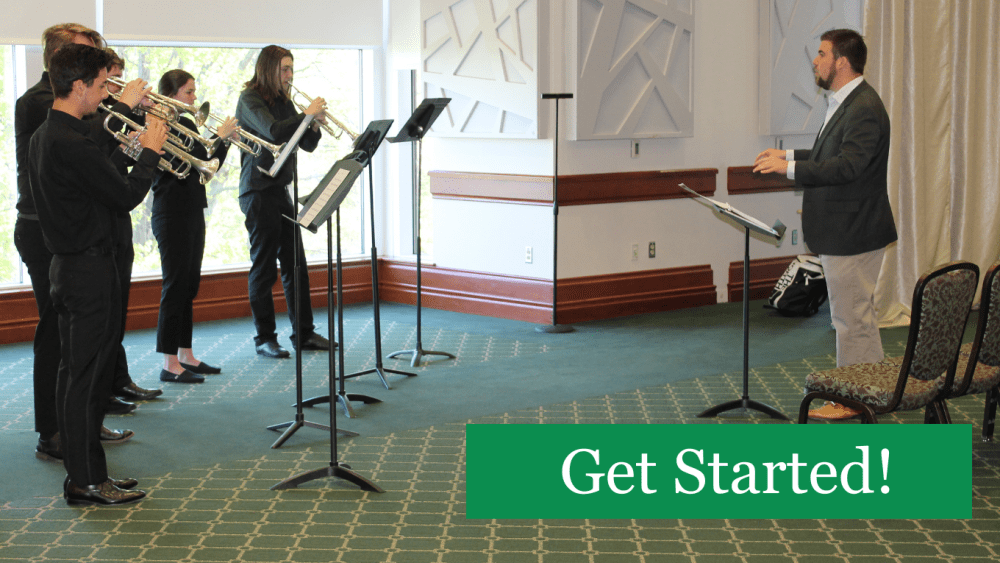
Research is about the exploration of the unknown and the creation of new knowledge. It is central to every discipline and important for many careers. Undergraduate research builds skills that improve career readiness for students.
How to prepare
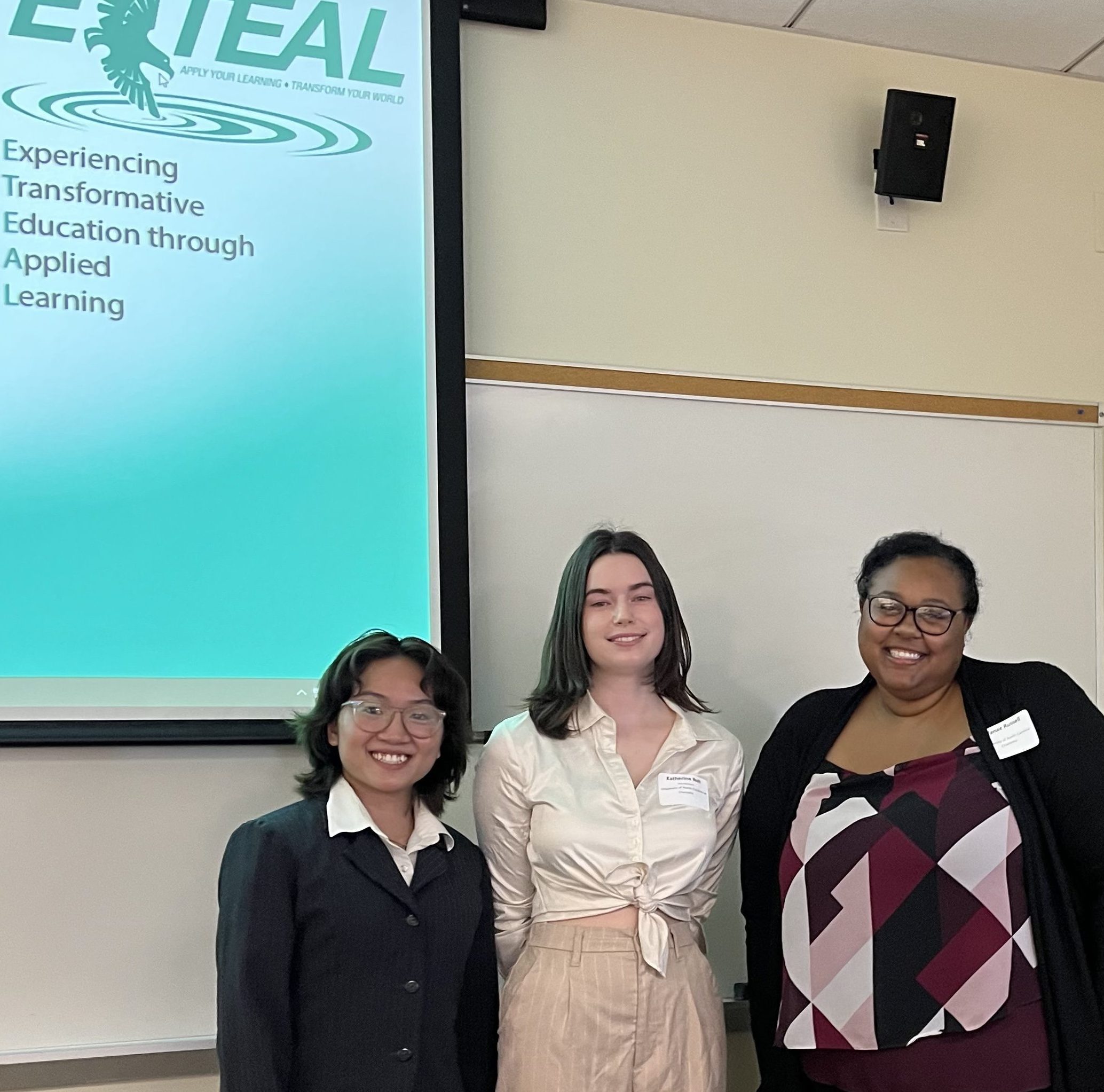
Brainstorm topics that energize you. Pay attention to things that interest you, problems that you want to solve, or maybe even something you read about.
Search faculty and other researchers that might have similar interests.
- Academic departments, faculty websites, or research centers on campus are a great start
- Let your friends and classmates know about your interests
- Chat with your professors, advisors, and even Charlotte’s librarians!
Take a moment to learn about the programs OUR office provides you.
get research ready through COursework
OUR offers two introductory courses to help students become familiar with fundamental research practices:
UCOL2101 Introduction to Research: (1 credit hour) A professional development course that prepares students for successful engagement in undergraduate research. Provides an overview of research methods and practices. Students learn about the research process and develop literature reviews and research questions.
Typically offered each Spring and periodically in the Summer!
UCOL2102 Introduction to Community Based Research: (1 credit hour) (Instructor approval required) Designed to engage students who have research and/or service learning experience with theories, principles, and methods associated with community-engaged and community-based participatory research. Intended to enhance and refine students’ existing knowledge about research, service, and how applying CE research techniques can be applied in professional spaces that seek to address social, health, or resource disparities in the community.
Typically offered each Fall!
UCOL3910 Research Internship: (variable credits) (Instructor approval required) This hybrid course allows students to complete the OUR Scholars program for course credit. Students would attend Professional Development, complete learning assessments, and present their project at the end of the term supported with additional Canvas resources. (0 credit option) Undergraduate students engaged in research, not through OUR, can document research participation on their transcript.
Offered each Fall and Spring
UCOL4910 Introduction to research Grant Writing: (1 credit hour) This intensive half semester course helps undergraduate students identify potential funding opportunities to support their research efforts and prepare competitive proposals for those competitions.
Inaugural offering Spring 2027!
Connect with Researchers
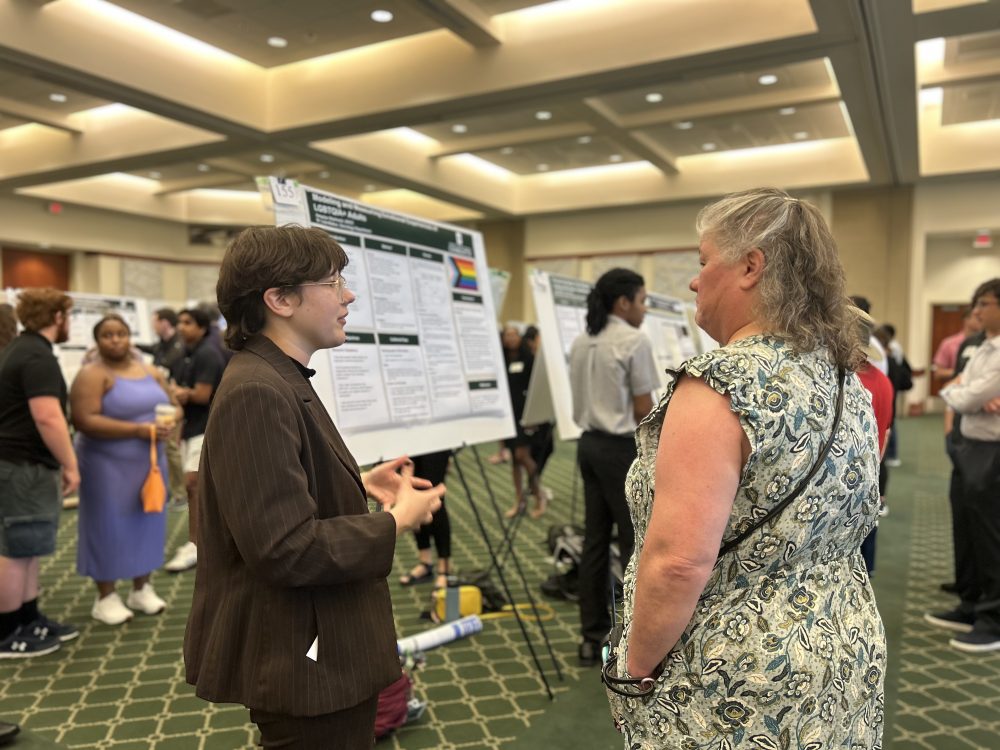
Best practice is to connect “in-person”. Search for office hours, reach out to schedule time to chat, or speak with a faculty member after class.
Second best practice is to use email.
- Make sure it is specific to the faculty member.
- Keep a copy for your records. Use s Subject Line: “Research Interest”
- Introduce yourself, your background, and your interest.
- Request a meeting to talk further about your goals and remember to thank them!
a few tips to help you along the way
We want you to feel confident in managing your time. Here are some strategies and tips we recommend.
- Take stock as to when it would be good to start researching. Sometimes it is better to wait until later in your academic journey while other times you might feel like you want to jump in immediately!
- Think through what sort of experience do you want. Maybe it’s a full semester opportunity, or a short term experience, or just during the summer.
- Remember to think through the balance between your studies, internships or part time jobs, or other priorities in your life. The OUR Academic Year Scholar Program work expectations are about 10 hours per week for 16 weeks.
- Credit or No Credit is something that most students ask about. Our office does not grant credit for experiences, however, you should connect with your department to learn potential options. Every academic program has their own policies.
Managing Expectations
Setting up your research experience means being upfront about your goals, discovering the mentor’s, and staying professional at all times during the process.
- Be prepared. Map out your goals for research. Ask about their expectations, training needs, and other requirements to be involved in their research projects. Be upfront about your schedule.
- Recognize misconceptions. Do not limit your possibilities for research based on your age, discipline, or level of experience with research. Check out our debunking common myths page to learn more.
- Thank them. Whether or not you are selected to pursue research with them or not, make sure to thank them for their time. There may be an opportunity to connect to others in their network or work with them in the future.
- What about compensation? Some research comes with academic credit while others do not. Some experiences are paid and others may be a volunteer position. There are also potential options for independent course selection. Check out some potential funding sources and off-campus research programs.
Have Questions? Drop in!
The Office of Undergraduate Research Drop-In Hours are intended for anyone who has questions about undergraduate research or OUR programs, such as the Research Scholars Program and the Summer Research Scholars Program. This is a great opportunity to come by the OUR office, meet our staff in person, and get support with your research goals. Drop-in hours are open to all students, not just current OUR Research Scholars. More details are as follows:
- When: Tuesdays 12:00PM – 1:30PM & Wednesdays 11:30AM – 1:00PM
- Where: Barnard 109 (OUR Office)